
How Does Cataract Extraction Work?

If you've been told you have cataracts, you may be wondering what that means and how cataract extraction works. Don't worry—cataract surgery is a routine and highly effective procedure that can significantly improve your vision.
What Are Cataracts?
Cataracts occur when the lens of your eye becomes cloudy, which then makes it difficult to see. Normally the lens is transparent, which allows light to pass through and focus on the retina at the back of your eye. However, as cataracts develop, the lens becomes even cloudier, which scatters light and causes blurry vision, glare, and sometimes even double vision.
Most cataracts are age-related, but other factors, such as injury, diabetes, prolonged steroid use, or excessive UV exposure, can also cause cataracts to form. The good news is that cataract surgery can restore clear vision by replacing the cloudy lens with an artificial one.
When Is Cataract Surgery Necessary?
You might not need cataract surgery right away if your symptoms are mild. In the early stages, updating your glasses prescription and using brighter lighting can be enough to help you manage. However, when cataracts start interfering with your daily life by making it hard to read, drive, or see things clearly, your eye doctor will likely recommend surgery.
What Happens Before Cataract Surgery?
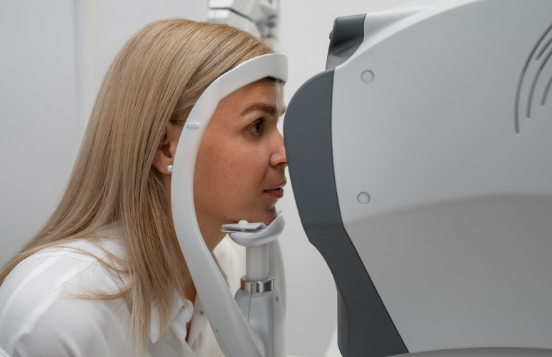
Before your cataract surgery, you’ll have a consultation with your ophthalmologist, which is an eye surgeon. During this visit, they will perform a thorough eye exam to assess the severity of your cataracts. They'll also measure the size and shape of your eye to determine which type of artificial lens, known as an intraocular lens (IOL), is best for you.
There are different types of IOLs available, and the ophthalmologist will explain the benefits and drawbacks of each. Standard monofocal lenses, for example, correct vision at one distance, while premium lenses, like multifocal or accommodating lenses, can help with both near and far vision, reducing your need for glasses after surgery.
Once your surgery is scheduled, you will be given specific instructions. These may include stopping certain medications, using prescription eye drops to prevent infection, and fasting for several hours before the procedure.
How Does Cataract Extraction Work?
Cataract extraction is a quick and painless procedure that usually takes about 15 to 30 minutes. It’s most commonly performed using a technique called phacoemulsification. The procedure typically follows these steps:
- Numbing the Eye: First, your eye surgeon will apply anesthetic eye drops to numb your eye. You won’t feel any pain, but you’ll still be awake during the surgery. Sometimes, a mild sedative is given to help you relax.
- Making a Tiny Incision: Your ophthalmologist will make a tiny incision, usually less than 3 millimeters wide, on the surface of your eye, near the edge of the cornea. This incision is so small that it often doesn’t require stitches to heal.
- Removing the Cloudy Lens: After making the incision, your eye surgeon uses an ultrasound device to break up the cloudy lens into tiny pieces. This is the phacoemulsification part of the process. The device emits ultrasonic waves that liquefy the lens, which is then gently suctioned out of the eye through the small incision.
- Inserting the Artificial Lens: Once the cataract is removed, a folded intraocular lens (IOL) is inserted into the eye through the same incision. The IOL unfolds inside the eye and is positioned where the natural lens used to be. The IOL is carefully placed to ensure it stays centered.
- Sealing the Incision: Because the incision is so small, it typically seals on its own without stitches. The eye surgeon will place a protective shield over your eye to help it heal and prevent infection.
And that’s it! The entire process is incredibly efficient, and patients usually go home the same day. Since the procedure is minimally invasive, recovery is generally quite quick.
What Happens After Cataract Surgery?
After surgery, you'll rest for a short period before heading home. It's important to have someone drive you, as your vision will be blurry for a few hours after the procedure. You will also be prescribed eye drops, as these will help to prevent infection and reduce inflammation. You’ll need to use these drops several times a day for a few weeks.
During recovery, you may notice your vision improving within hours or days after surgery, but it can take a few weeks to fully stabilize. Colors will appear brighter, and objects will be clearer as your eye adjusts to the new lens. For the first week or so, avoid heavy lifting, bending over, or any activities that put pressure on your eyes. You’ll also want to avoid rubbing your eyes or exposing them to dust and water. Wearing sunglasses when outdoors is recommended to protect your eyes from bright light.
You’ll need to attend follow-up appointments with your ophthalmologist to monitor your healing. These appointments are important as they make sure there are no complications and check that your vision is improving as expected.
With cataract extractions, most people can return to their normal activities within a few days. By one month after surgery, your vision should be stable, and you’ll be back to your regular routine, this time with even better vision than before.
Are There Risks?
Like any surgery, cataract extraction does come with some risks, though serious complications are rare. Potential risks include infection, bleeding, swelling, or a detached retina. However, the vast majority of cataract surgeries are successful, and complications are easily treatable if caught early. Still, it’s best to follow your doctor’s instructions closely to minimize risks and to attend all follow-up appointments.
If you want to experience the multitudinous benefits of cataract extraction for yourself, our team at
South Shore Eye Care LLP is ready to help!
Reach out to us today to schedule an appointment and get on the road to brighter, clearer vision in no time.