
What you eat doesn’t just affect your energy or heart health. It also plays a major role in how well your eyes function over time. While periodic eye exams are important for protecting your vision, a healthy diet can support long-term eye health and may minimize the chances of certain vision problems as you age. At your eye care provider, we often remind patients that healthy vision starts from the inside out.
How Nutrition Impacts Eye Health
Your vision depends on a steady supply of vitamins, minerals, and antioxidants to stay healthy. Poor nutrition can contribute to issues such as dry eyes, night vision difficulties, and a higher risk of conditions such as cataracts or age-related macular degeneration (AMD). A balanced diet may help protect delicate eye tissues from oxidative stress- and inflammation-induced damage.
Key nutrients like vitamins A, C, and E, along with omega-3 fatty acids and zinc, all play important roles in preserving clear, comfortable vision.
Best Foods for Healthy Vision
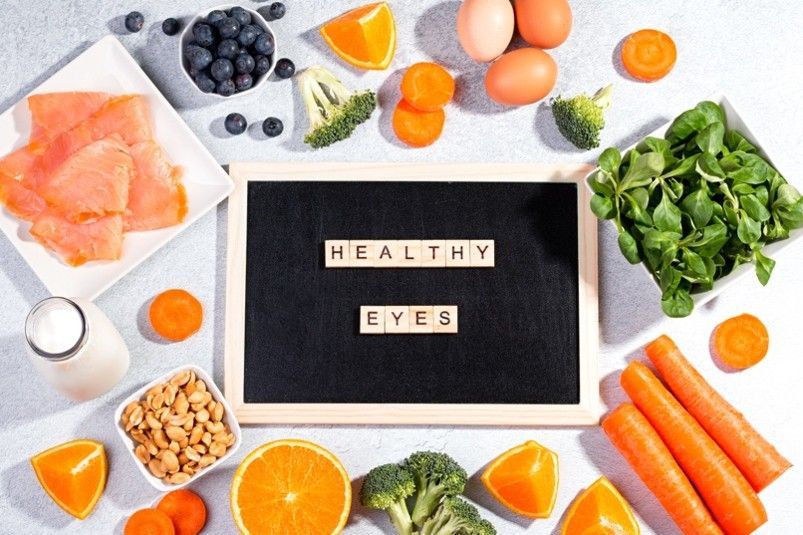
Leafy Green Vegetables
Spinach, kale, and collard greens are loaded with lutein and zeaxanthin—two powerful antioxidants that help filter harmful blue light and protect the retina.
Benefits include:
- Reduced risk of macular degeneration
- Better protection against light damage
- Long-term retinal health support
Carrots and Orange Vegetables
Carrots, sweet potatoes, and pumpkins contain high amounts of beta-carotene, which the body converts into vitamin A. This nutrient is essential for good night vision and comprehensive eye function.
They help support:
- Clear low-light vision
- Healthy corneas
- Reduced risk of dry eyes
Fatty Fish
Salmon, tuna, mackerel, and sardines are fantastic sources of omega-3 fatty acids. These healthy fats support the oil layer of your tears and help prevent dry eye symptoms.
They may help with:
- Eye moisture and comfort
- Reduced inflammation
- Retinal health support
Citrus Fruits and Berries
Oranges, grapefruits, strawberries, and blueberries have high counts of vitamin C and antioxidants. These nutrients shield the eyes from oxidative stress and may slow age-related damage.
Benefits include:
- Stronger blood vessels in the eyes
- Lower risk of cataracts
- Overall antioxidant protection
Nuts and Seeds
Almonds, walnuts, flaxseeds, and chia seeds provide vitamin E and omega-3 fatty acids that help protect eye cells from damage.
They support:
- Long-term eye cell health
- Reduced inflammation
- Protection from age-related vision changes
Foods That Promote Long-Term Vision Care
No single food can guarantee perfect vision, but a consistent, well-rounded diet rich in eye-friendly nutrients can create a meaningful difference. Combining healthy eating with protective measures like UV-blocking sunglasses and regular eye exams provides the best defense for your vision.
When Diet Isn’t Enough
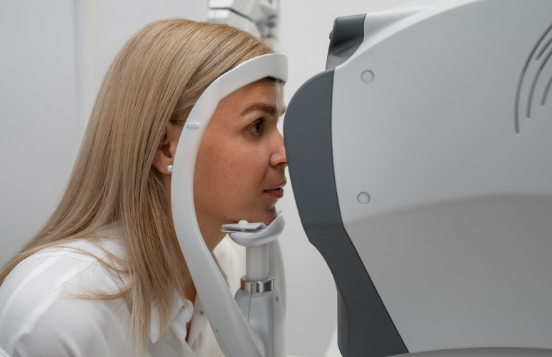
Even with a healthy diet, vision changes can still occur due to age, genetics, or underlying eye conditions. If you notice blurry vision, increased dryness, difficulty seeing at night, or changes in how you see colors and light, it’s important to schedule a comprehensive eye exam.
Early detection is key in handling conditions like cataracts, glaucoma, and macular degeneration before they significantly affect your vision.
Supporting Your Vision From the Inside Out
Nutrition is a powerful way to maintain healthy eyes, but it works best as part of a complete eye care routine. Eating a variety of colorful, nutrient-rich foods can help keep your eyes functioning at their best for years to come.
If you’re concerned about your vision or want to learn more about preserving your eye health, plan a visit with your eye care provider today.