

Allergic Conjunctivitis vs. Viral/Bacterial Pink Eye: How to Tell the Difference
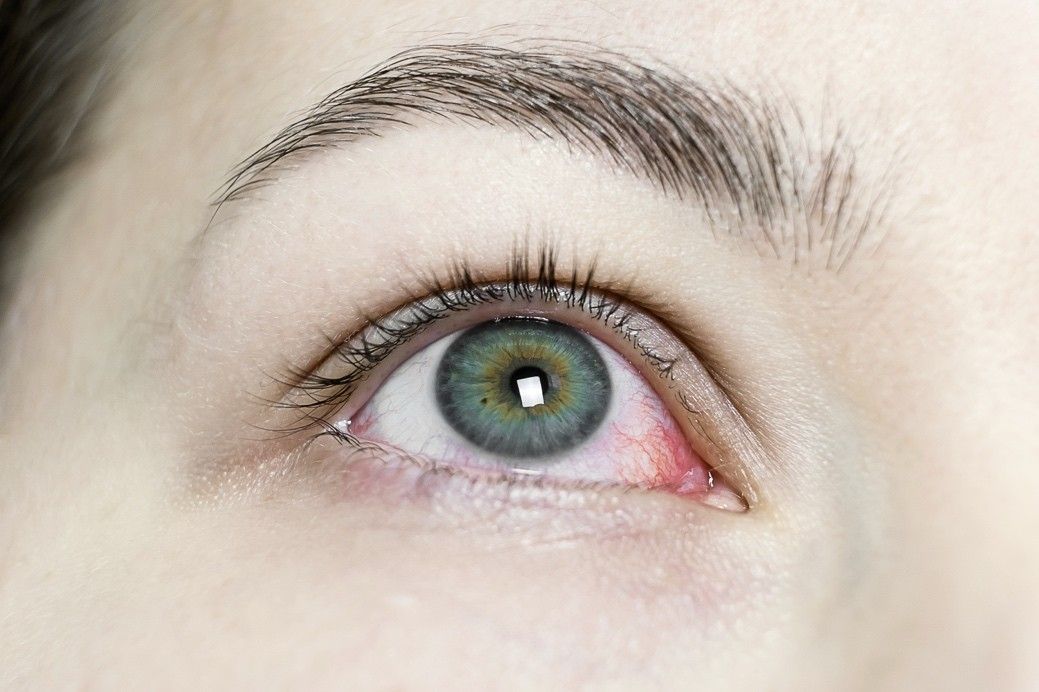
Red, irritated eyes are frequently seen, but not all cases of “pink eye” are the same. Allergic, viral, and bacterial conjunctivitides share similar symptoms but differ in cause, treatment, and contagiousness. At South Shore Eye Care, we help patients understand these differences so they can get the right care quickly and protect their long-term eye health.
What Is Allergic Conjunctivitis?
This happens when the eyes come into contact with various allergens. This reaction causes the conjunctiva, the thin membrane covering the white part of the eye, to swell.
Unlike infectious pink eye, allergic conjunctivitis is not contagious. It often appears seasonally or after exposure to specific triggers and usually affects both eyes simultaneously.
Typical symptoms include:
• Intense itching
• Redness in both eyes
• Watery discharge (not thick)
• Swollen eyelids
• Sneezing or nasal congestion
What Is Viral Pink Eye?
Viral conjunctivitis is caused by viruses, often the same ones that cause the common cold. It is severely contagious and can spread easily through contact with contaminated hands, surfaces, or respiratory droplets.
Symptoms usually begin in one eye and may spread to the other.
Typical symptoms include:
• Redness in one or both eyes
• Watery discharge
• Gritty or burning sensation
• Sensitivity to light
• Cold-like symptoms (runny nose, sore throat)
Viral pink eye naturally goes away within one to two weeks, though supportive care can ease discomfort.
What Is Bacterial Pink Eye?
This is the result of exposure to germs and is contagious. It is more common in children but can affect all ages.
Typical symptoms include:
• Redness in one or both eyes
• Thick, yellow or green discharge
• Crusting of the eyelids, especially in the morning
• Eyelids sticking shut
• Mild irritation or discomfort
Unlike viral conjunctivitis, bacterial conjunctivitis requires antibiotic eye drops or ointment to promptly treat and soothe the infection.
Key Differences to Watch For
While symptoms overlap, a few distinguishing features help identify the cause:
• Itching is most common with allergic conjunctivitis
• Thick discharge suggests bacterial pink eye
• Watery discharge with cold symptoms points to viral pink eye
• Contagiousness is a sign of viral or bacterial causes—not allergies
• Both eyes are usually affected in allergic cases
Noticing these patterns helps determine if home care is appropriate or if expert assessment is needed.
When to See an Eye Care Specialist
If you’re unsure about your symptoms, seek expert care. Schedule an evaluation if you experience: worsening or do not improve after a few days
• Moderate to severe eye pain
• Sensitivity to light or blurred vision
• Thick discharge or significant swelling
• Symptoms in infants or young children
An accurate diagnosis ensures correct treatment and helps prevent complications or unnecessary spread.
Comprehensive Eye Care You Can Trust
At South Shore Eye Care, our team provides thorough examinations to determine the precise cause of your eye irritation. Whether caused by allergies, viral infection, or bacteria, we create personal treatment plans to relieve discomfort and protect your vision.
Treatment may include antihistamine drops for allergies, supportive care for viral infections, or antibiotics for bacterial conjunctivitis when appropriate. Our goal is to restore comfort quickly and ensure long-term eye health.
Take the Next Step Toward Clear, Comfortable Vision
Understanding the difference between allergic conjunctivitis and pink eye is key to effective relief. If your eyes are red, irritated, or producing discharge, don’t guess; get specialist advice.
Schedule an appointment with South Shore Eye Care today, and let our team help you find the right solution for healthy, comfortable eyes.