
Botox and Juvaderm, and LASIK or PRK
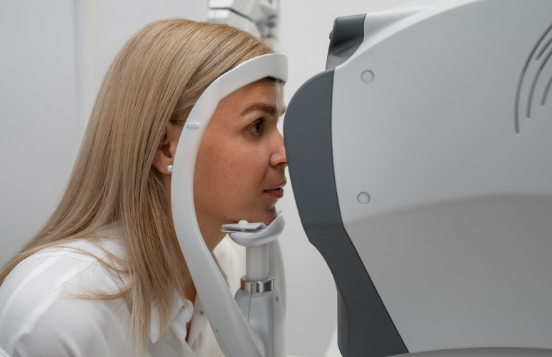
When people think about eye care, they often picture glasses, contact lenses, or surgery to correct vision. But modern eye care goes beyond just helping you see clearly. At South Shore Eye Care, it’s also about how you look and feel. That’s why many patients ask about both Botox and Juvaderm, as well as LASIK and PRK. These treatments may sound unrelated, but they share a common goal: helping you feel confident every time you look in the mirror, whether you’re admiring smoother skin or clearer vision.
Let’s take a closer look at what these treatments are, how they work, and what makes them so popular among patients looking for noticeable, lasting results.
The Beauty of Botox and Juvaderm
Fine lines and wrinkles are a normal part of aging, but that doesn’t mean you have to live with them if they bother you. Botox and Juvaderm are two of the most widely used treatments for facial rejuvenation, and they offer different ways to restore a youthful appearance.
Botox
Botox is a purified protein that temporarily relaxes muscles beneath the skin. When injected into specific areas, like the forehead, around the eyes, or between the brows, it softens the appearance of lines caused by repetitive facial expressions. The result is smoother, refreshed skin that looks natural, not frozen.
The treatment itself takes just a few minutes. There’s no recovery time, and most people start seeing results within three to five days. The effects typically last around three to four months, making Botox a simple way to refresh your look without surgery or downtime.
Juvaderm
Juvaderm, on the other hand, is a dermal filler made from hyaluronic acid, a substance your body naturally produces. It adds volume to areas where skin has thinned or lost elasticity over time. It’s often used for the cheeks, lips, and around the mouth to restore fullness and soften wrinkles.
Unlike Botox, which targets muscle activity, Juvaderm works by filling in areas under the skin. The results are visible right after treatment and can last up to a year or more, depending on the formula used. The treatment is quick, and many patients return to normal activities immediately afterward.
Together, Botox and Juvaderm can help achieve a balanced, youthful look—subtle enough that people will notice you look refreshed, but won’t know exactly why.
The Clarity of LASIK and PRK
While Botox and Juvaderm focus on how you look, LASIK and PRK focus on how you see. Both are forms of laser vision correction designed to reduce or eliminate your need for glasses or contact lenses. They reshape the cornea, the clear front part of the eye, so that light focuses properly on the retina.
LASIK (Laser-Assisted In Situ Keratomileusis) is one of the most common vision correction procedures in the world. During LASIK, a small flap is created on the surface of the cornea. Then, a precise laser gently reshapes the corneal tissue underneath. The flap is repositioned, and the eye begins healing almost immediately.
Most patients notice improved vision within 24 hours and can usually return to normal activities the next day. For people tired of the daily hassle of glasses or contacts, LASIK can be life-changing.
PRK (Photorefractive Keratectomy) works differently. Instead of creating a flap, the surgeon removes the thin outer layer of the cornea to access the tissue beneath. The same type of laser then reshapes the cornea to correct vision. The surface layer naturally regenerates over the next few days.
PRK is often recommended for people with thinner corneas or certain eye conditions that make LASIK less suitable. While recovery takes a bit longer—typically several days before vision clears—PRK provides the same long-term results as LASIK.
Both procedures are quick, typically taking less than 30 minutes total, and are performed with advanced technology for accuracy and comfort.
Why Patients Ask About Both
At first, Botox and Juvaderm might seem completely separate from LASIK and PRK. One is cosmetic, the other medical. But there’s a natural overlap between them: both are about confidence.
Patients who visit South Shore Eye Care for vision correction often start thinking about their overall appearance as well. When you can see clearly again, you begin to notice small things—like wrinkles or loss of volume around your eyes—that you hadn’t paid attention to before. Likewise, patients who come in for cosmetic treatments often ask about options for sharper vision.
Combining these treatments is all about feeling comfortable and confident in your own skin. Seeing clearly helps you experience the world more fully, while looking refreshed helps you present your best self to it.
What to Expect When You Visit South Shore Eye Care
At South Shore Eye Care, every treatment begins with a conversation. Whether you’re interested in smoother skin or clearer vision, the process starts with understanding your goals.
For
Botox and Juvaderm, your provider will assess your facial structure, skin condition, and desired results. The injections are done with precision to maintain natural expression and symmetry. You can return to work or daily life right away.
For
LASIK or PRK, you’ll undergo a detailed eye exam to determine if you’re a good candidate. Advanced diagnostic tools measure the shape and thickness of your cornea, pupil size, and overall eye health. The team will then discuss which option best fits your needs and explain each step so you know exactly what to expect.
The focus is always on safety, comfort, and results. Patients appreciate the warm, professional approach and the confidence that comes from being treated by experienced specialists who understand both medical and cosmetic eye care.
If you’ve been thinking about improving your vision or refreshing your appearance, now’s the time to start.
Schedule a consultation with South Shore Eye Care today to explore your options and find out what’s right for you.