

Many people focus on eye exams, proper eyewear, or reducing screen time when thinking about eye health. However, environmental factors such as humidity, wind, and ultraviolet (UV) exposure also affect eye comfort and vision year-round.
We know maintaining healthy vision takes more than routine exams. Knowing how weather affects your eyes can help you reduce irritation, dryness, and other seasonal discomforts.
How Humidity Affects Your Eyes
Humidity levels directly affect eye comfort. Low humidity, common in colder months and heated indoor spaces, causes tears to evaporate quickly, leading to dry, irritated, or gritty eyes.
Air conditioning can lower indoor humidity during warmer months. Using a humidifier, being hydrated, and blinking regularly can help keep your eyes comfortable and well-lubricated.
Wind and Your Eye Health
Windy weather can irritate your eyes by causing tears to evaporate faster and carrying dust, pollen, and other particles that affect the eye's surface.
If your eyes are sensitive to wind, wear sunglasses or protective eyewear outdoors to defend against irritants. Wraparound sunglasses offer extra protection by limiting exposure to air and debris.
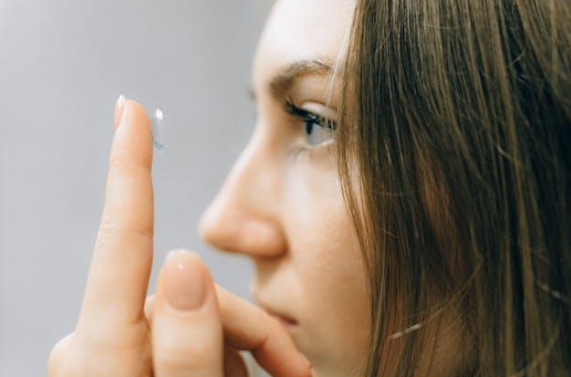
Windy or dusty conditions may make contact lenses uncomfortable. Consult your eye care professional if your contacts often feel dry or irritated outdoors.
Understanding UV Exposure
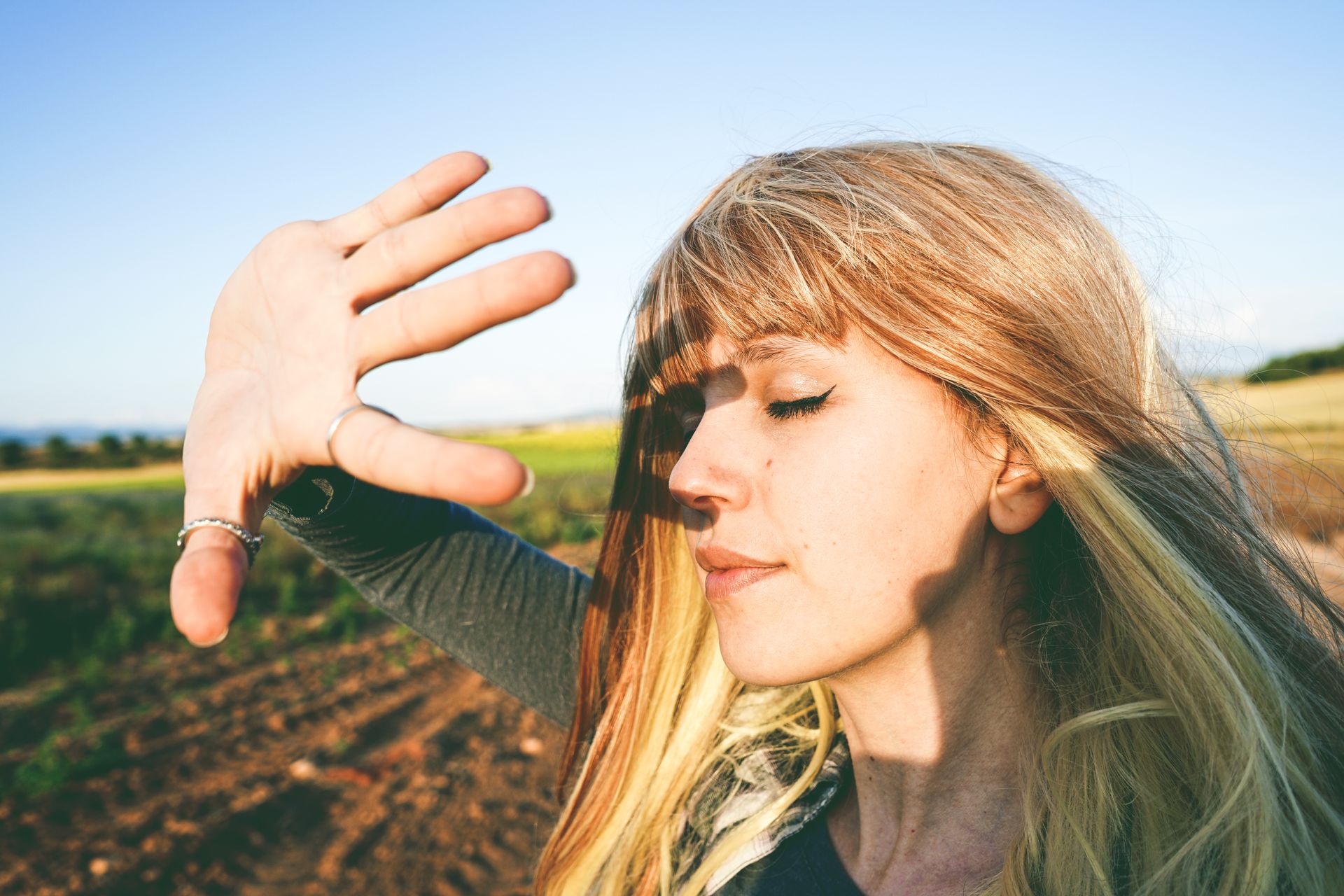
UV rays affect your eyes year-round, not just in summer. UV exposure over time increases the chances of certain eye conditions and long-term health concerns.
Wear sunglasses with 100% UVA and UVB protection to safeguard your eyes outdoors. A wide-brimmed hat adds further protection by lessening direct sunlight.
UV exposure occurs even on cloudy days, as ultraviolet rays pass through clouds. Consistent UV protection promotes long-term eye health.
Seasonal Changes and Eye Allergies
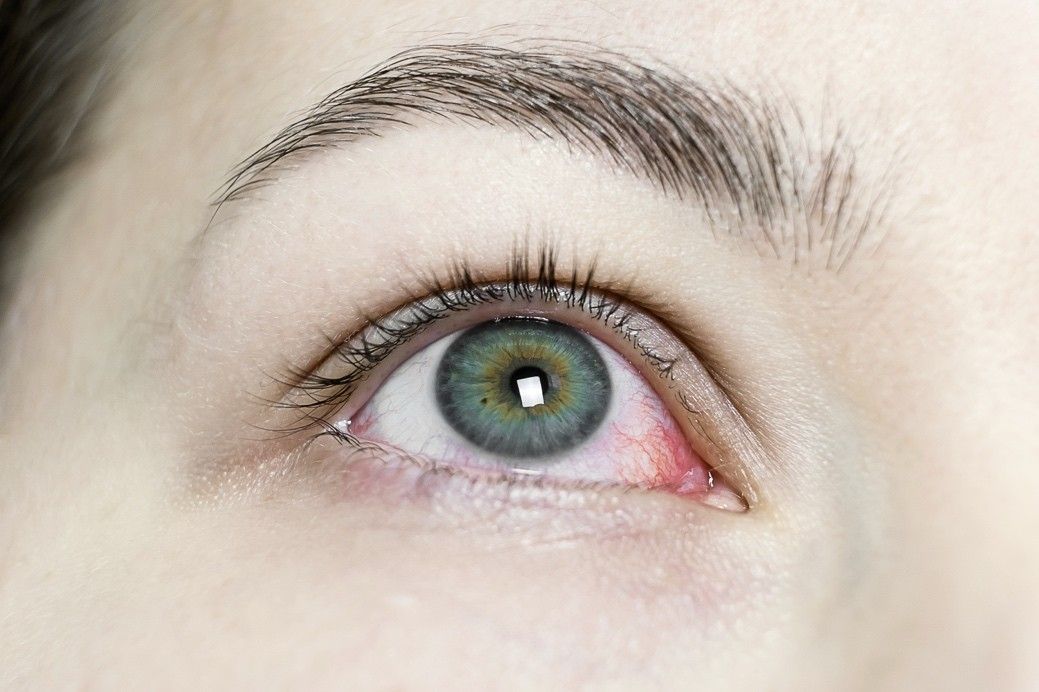
Spring and fall often bring higher pollen and airborne allergens, which can cause itchy, watery, red, or irritated eyes for some individuals.
Avoid known allergens, wash your hands after being outdoors, and refrain from rubbing your eyes to minimize irritation. If symptoms persist, speak with an ophthalmologist about treatment options.
Protecting Your Eyes Throughout the Year
Your eyes face varying environmental conditions throughout the year. Adopting simple habits can help protect them, such as:
• Wear UV-protective sunglasses outdoors
• Be hydrated throughout the day
• Use a humidifier when indoor air is particularly dry
• Guard your eyes from wind, dust, and debris
• Avoid rubbing irritated eyes
• Follow proper contact lens care instructions
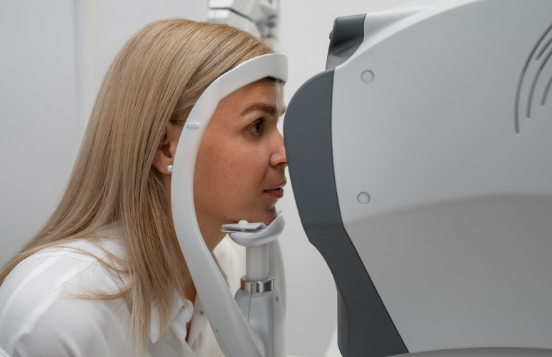
• Schedule regular comprehensive eye exams
When to Schedule an Eye Exam
Occasional irritation from weather changes is common, but don't ignore persistent symptoms. Ongoing redness, pain, light sensitivity, blurred vision, excessive dryness, or other changes may require medical assessment. We can address your concerns and recommend ways to improve comfort and protect your vision.
Supporting Healthy Eyes in Every Season
Weather and seasonal changes are inevitable, but they do not have to affect your vision. Protecting your eyes from UV rays, wind, dry air, and irritants helps you stay comfortable year-round.
If you are concerned about seasonal eye irritation, dryness, or vision changes, schedule a visit with your ophthalmologist today.