

People often feel uncomfortable when they are in bright light, whether it be from sunlight or from ordinary indoor lighting. The condition called photophobia can make it difficult to carry out everyday activities such as working, driving, spending time outside, or using electronic devices.
Healthy vision takes more than regular eye exams; by understanding the causes of light sensitivity and learning how to manage symptoms, you can protect your comfort and support overall eye health.
What Is Light Sensitivity?
Photophobia refers to an increased sensitivity or discomfort caused by light and is not in itself a disease but rather a symptom which may occur with a variety of eye conditions, headaches, medications, or other health issues.
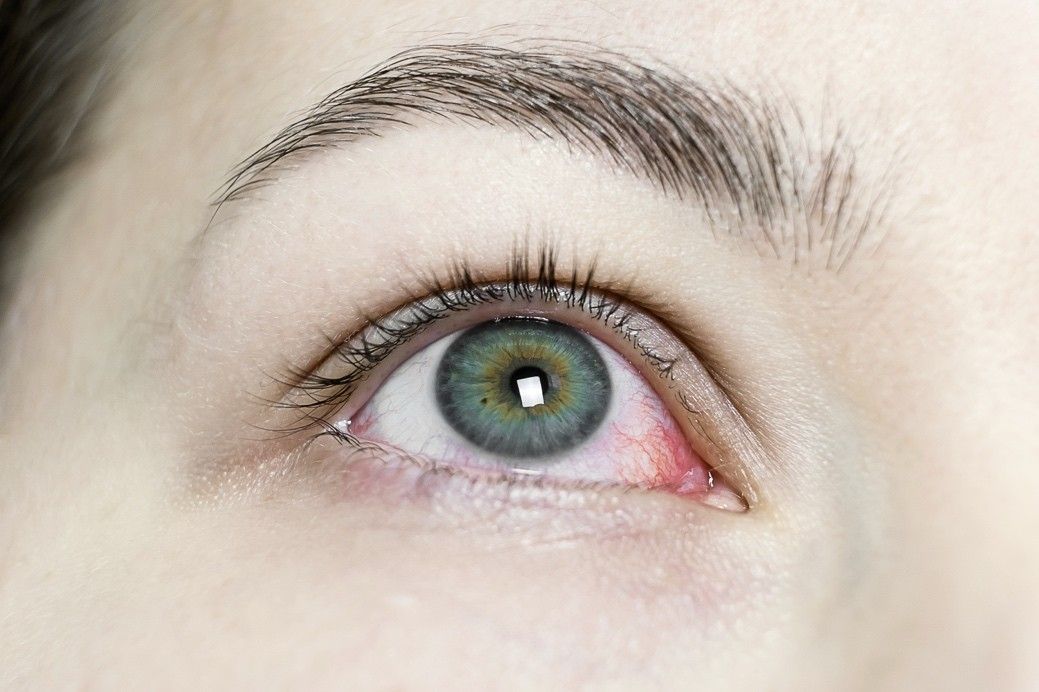
A few individuals might feel a slight discomfort in bright surroundings, whereas others could have more severe symptoms including squinting, eye pain, headaches, watery eyes, or trouble keeping their eyes open.
Common Causes of Photophobia
Possible causes of light sensitivity include dry eyes, eye inflammation, corneal irritation, migraines, and other eye conditions, which can all increase sensitivity.
Bright sunlight and glare can also make the symptoms more obvious. Light sensitivity may also occur temporarily after an eye injury or surgery. Likewise, some medications can increase light sensitivity.
Because there are many possible causes, an eye care professional should evaluate persistent or worsening photophobia.
Managing Light Sensitivity in Everyday Life
Simple adjustments can reduce discomfort from bright or excessive light. If you are outdoors, sunglasses can help reduce glare and protect your eyes from ultraviolet (UV) exposure.
When you are outside, use sunglasses that offer full protection from both UVA and UVB, and a hat with a wide brim for extra protection from direct sunlight.
Inside the room, changing the lighting can help. It is advisable to reduce excess glare, use softer lighting when suitable, and place screens away from direct light sources. Also, adjusting screen brightness and taking regular breaks can help reduce visual discomfort.
Light Sensitivity and Digital Devices
People who are sensitive to light may experience discomfort as a result of phones, computers, and tablets. Screen brightness, glare, and long periods of concentration can all lead to ocular strain.
Apply the 20-20-20 rule (every 20 minutes, take a break and look at something 20 feet away for at least 20 seconds). Set your screen brightness to a comfortable level and minimize the glare whenever you can.
If digital eye discomfort persists after these changes, an eye care professional may be able to determine whether an underlying vision or eye health issue is involved.
When to Schedule an Eye Exam
Even if occasional light sensitivity does not point to a serious issue, you should not ignore any symptoms that are persistent or sudden. If light sensitivity is accompanied by eye pain, marked redness, blurred vision, headaches, discharge, or any other alterations in vision, you should get in touch with your eye care professional.
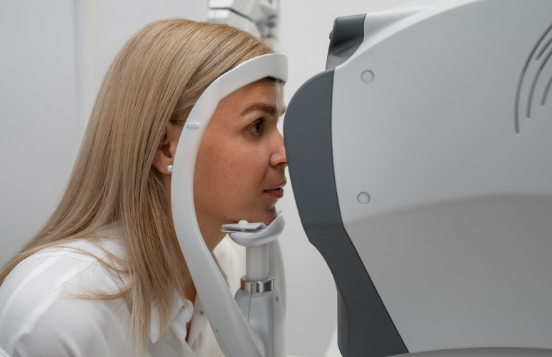
A full eye examination can help identify possible causes and determine whether you need additional treatment or management strategies.
Supporting Comfortable Vision Every Day
Light plays a vital role in daily life, but too much sensitivity may disrupt comfort and routine activities. You can reduce everyday discomfort by protecting your eyes from ultraviolet (UV) radiation, lessening glare, adjusting the indoor lighting, and following healthy screen habits.
If you still have light sensitivity or notice any changes in your vision, schedule a visit with your ophthalmologist to discuss your symptoms and determine following steps.