
Who Can Benefit from a Pterygium Excision?
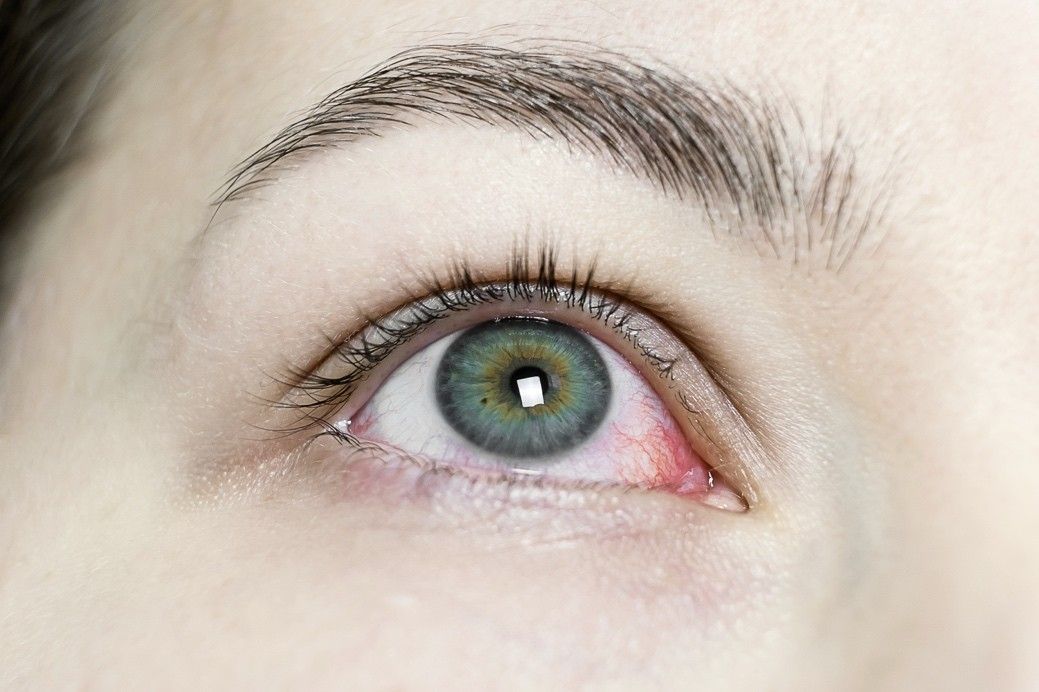
If you’ve ever noticed a fleshy growth on the white part of your eye, it could be a pterygium. While it might seem alarming at first, it’s quite common, especially for those who spend a lot of time outdoors. Pterygium, also known as surfer’s eye, is a non-cancerous growth of tissue that can develop on the conjunctiva and extend onto the cornea. It’s usually the result of prolonged exposure to ultraviolet (UV) light, wind, dust, or irritants.
While many cases are mild and don’t require treatment, pterygium excision surgery can be great for those who experience discomfort, vision problems, or have cosmetic concerns.
Individuals with Vision Impairment
One of the clearest signs that pterygium removal might be necessary is when the growth starts affecting vision. In some cases, the tissue can grow large enough to extend over the cornea, which is the clear front part of the eye, and obstruct the visual pathway. This can lead to blurred vision, astigmatism (a condition where the cornea becomes irregularly shaped), or even double vision.
For these individuals, pterygium excision can both improve comfort or appearance while also restoring clear sight. The longer a pterygium goes untreated, the more difficult it can become to reverse the vision changes it causes.
People Experiencing Persistent Irritation or Discomfort
Even if your pterygium isn’t affecting your vision, it can still cause significant irritation. For many people, the growth leads to symptoms like redness, inflammation, itching, or the constant feeling that something is stuck in their eye. These symptoms are often exacerbated by environmental factors like wind or dust, and while eye drops can offer temporary relief, they don’t address the root of the problem.
If you find yourself frequently battling these uncomfortable sensations, a pterygium excision can provide lasting relief. Many people who undergo the surgery report a dramatic decrease in irritation, allowing them to return to their normal activities without constantly rubbing or tending to their eyes.
Outdoor Workers and Athletes
Pterygium is often associated with prolonged exposure to UV light, which means those who spend significant time outdoors are at higher risk of developing this condition. This includes people who work outside—such as construction workers, farmers, or lifeguards—as well as athletes like surfers, sailors, or runners.
For these individuals, a pterygium excision can be particularly beneficial. Not only does it address the immediate issue of the growth, but it also helps prevent further complications down the line. While UV-blocking sunglasses and hats can help reduce future risks, some people will find that surgery is the most effective way to fully manage the condition and keep it from interfering with their outdoor activities.
Patients with Recurrent Pterygium
Unfortunately, not all pterygiums go away after one surgical excision. In some cases, the growth can return, especially if the underlying causes (like UV exposure or irritation) aren’t addressed. For patients who have dealt with recurrent pterygium, a second or even third surgery might be necessary.
There are newer surgical techniques designed to minimize the risk of recurrence, such as using grafts from the patient’s conjunctiva or applying a special adhesive or amniotic membrane. If you’re someone who has already undergone pterygium removal but found the growth came back, it’s worth discussing these advanced methods with your
eye surgeon to increase the chances of long-term success.
Individuals Seeking Cosmetic Improvement
For some, pterygium may not cause physical discomfort or vision problems but can still be bothersome due to its appearance. A pterygium typically looks like a pink or red fleshy mass on the white part of the eye, and while it’s not dangerous, it can be unsightly. Some people may feel self-conscious about the appearance of their eyes, particularly in social or professional settings.
If you find yourself feeling embarrassed or self-conscious about your pterygium, excision surgery can provide a significant cosmetic improvement. Many patients report that their eyes look clearer and more natural after the procedure, giving them a confidence boost in their daily interactions.
Contact Lens Wearers
Wearing contact lenses with pterygium can be tricky. The growth can cause the surface of the eye to become irregular, making it difficult for contacts to fit properly or comfortably. This can lead to irritation, increased dryness, or even damage to the lenses themselves. Additionally, a large pterygium can physically interfere with the placement of the contact lens on the cornea.
For contact lens wearers who experience these challenges, pterygium excision can be particularly beneficial. Once the growth is removed, the surface of the eye often becomes smoother and more conducive to comfortable contact lens use.
Older Adults
While pterygium can develop in people of any age, it tends to be more common in individuals over 40. As we age, our eyes become more vulnerable to UV damage, and years of sun exposure can lead to the development of pterygium. For older adults who have been managing the condition for years, surgery can offer a way to finally put it behind them.
Older adults also benefit from pterygium excision because, in many cases, the surgery is quick and relatively low-risk. With advances in surgical techniques, recovery times are shorter than ever, and many people are able to resume their normal activities within a few days or weeks.
People in Sunny or Dusty Environments
Pterygium is particularly common in people who live in sunny, windy, or dusty climates. This includes regions near the equator, areas with a lot of sunlight, or places prone to dust storms. If you live in one of these environments and find that your pterygium is growing larger or more uncomfortable, you’re not alone.
For those in these regions, pterygium excision can be a proactive way to prevent further damage and discomfort. After the surgery, taking steps like wearing UV-protective sunglasses, hats, or protective eyewear can help prevent the growth from returning.
If you’re considering pterygium surgery, our team at
South Shore Eye Care, LLP can help.
Contact us today!