What is a blepharoplasty?

Blepharoplasty is a procedure that removes baggy skin around your eyes to help create a more youthful appearance. As we age, excess skin develops that causes sagging eyebrows and pronounced bags. The purpose of this procedure is to improve your peripheral vision and other parts within your visual perimeter. Through this procedure, your upper and lower eyelids will experience less sagging and folding. 


Risks can include:


  • Infection and bleeding
  • Dry eyes
  • Significant scarring
  • Eye muscle damage
  • Potential loss of eyesight or blurry vision
  • Having to follow-up once procedure is complete
  • Hard time closing your eyes


Am I good candidate for eyelid surgery?

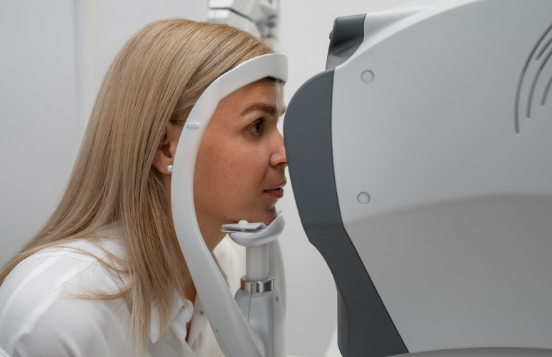
You must meet with an ophthalmologist who will discuss:


  • Your medical history: You may need to answer questions regarding prior surgeries, past or present conditions relating to dry eyes, glaucoma, diabetes etc, and how often you do drugs, drink alcohol, or take vitamins.
  • Your goals: Speaking about what you expect from the procedure will set the tone for a positive outcome. The doctor will let you know if the surgery is the best option for you.


It is necessary to have a physical exam to help determine your candidacy. This may include:


  • Complete eye exam: They will examine tear production and measure portions of your eye.
  • Visual field testing: To see if you have blind spots affecting your peripheral vision.
  • Eyelid photography: Pictures will be taken from certain angles to properly prepare for the surgery. If the procedure is performed for medical reasons, this may support an insurance claim.


Medicines such as warfarin, aspirin, ibuprofen, and naproxen sodium are not allowed to be taken since you can become prone to extreme bleeding. Your surgeon will advise you on the medicines you can take. Additionally, you must refrain from smoking weeks before the procedure. Not doing so may result in delaying your healing time frame. 


Surgery expectations and the aftermath

The procedure is normally performed in an outpatient setting. Injections will be placed in your eyelids to numb them and drugs from an IV will be given to put you in a relaxed state. Once the surgery commences, the surgeon will cut into the fold of your upper eyelid and remove excess skin and muscle. Afterwards the cut is closed. In the lower eye lid the surgeon cuts below your lashes and removes fat and skin. Then the cut is closed. If your upper eyelid happens to droop more than normal, a procedure called ptosis may take place. It is performed to add a lift and remove unwanted skin. In the post-op stage you are placed in a recovery room where staff check on you to see whether you are experiencing any complications.


Negative reactions that may result include:


  • Blurry vision resulting from ointment you apply on your eyes
  • Watering eyes
  • Puffy eyelids
  • Swelling leading to black eyes
  • Pain
  • Blurry vision
  • Sensitivity to light


Additionally, if you have glaucoma, retinal detachment, or dry eye this can lead to disrupting the recovery period.

To help make the recovery process more bearable you should:


  • Use ice packs every hour for 10 minutes the night after. The following day use them for 4-5 times during the day.
  • Use doctor recommended ointments and eye drops
  • Use dark sunglasses to prevent the sun and wind from damaging the healing process
  • Sleep with your head higher than your chest throughout the week


Think you may be a candidate for eyelid surgery? Contact our office and request an appointment at one of our locations. Call 516-785-3900 (Wantagh office) or 516-541-4141 (Massapequa office) to schedule an appointment. Our ophthalmologists will talk with you about the risks and benefits of this procedure.


By Bob Berendsen July 1, 2026
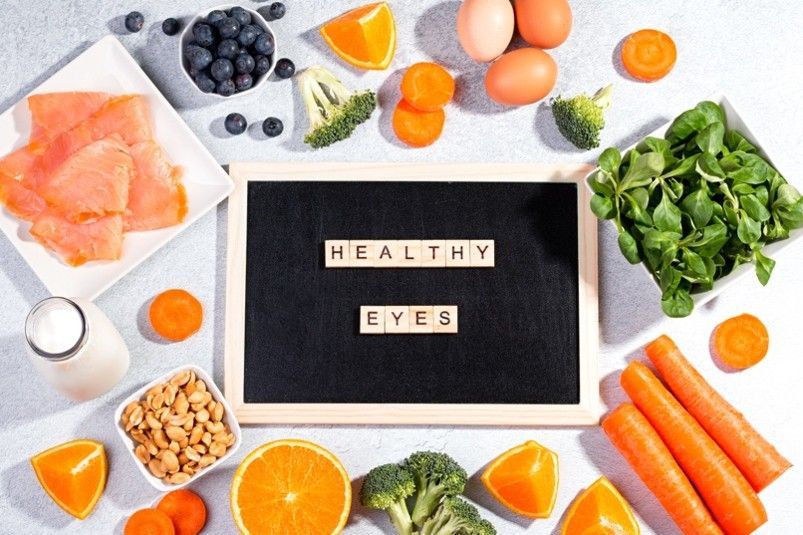
What you eat doesn’t just affect your energy or heart health. It also plays a major role in how well your eyes function over time. While periodic eye exams are important for protecting your vision, a healthy diet can support long-term eye health and may minimize the chances of certain vision problems as you age. At your eye care provider, we often remind patients that healthy vision starts from the inside out. How Nutrition Impacts Eye Health Your vision depends on a steady supply of vitamins, minerals, and antioxidants to stay healthy. Poor nutrition can contribute to issues such as dry eyes, night vision difficulties, and a higher risk of conditions such as cataracts or age-related macular degeneration (AMD). A balanced diet may help protect delicate eye tissues from oxidative stress- and inflammation-induced damage. Key nutrients like vitamins A, C, and E, along with omega-3 fatty acids and zinc, all play important roles in preserving clear, comfortable vision. Best Foods for Healthy Vision Leafy Green Vegetables Spinach, kale, and collard greens are loaded with lutein and zeaxanthin—two powerful antioxidants that help filter harmful blue light and protect the retina. Benefits include: Reduced risk of macular degeneration Better protection against light damage Long-term retinal health support Carrots and Orange Vegetables Carrots, sweet potatoes, and pumpkins contain high amounts of beta-carotene, which the body converts into vitamin A. This nutrient is essential for good night vision and comprehensive eye function. They help support: Clear low-light vision Healthy corneas Reduced risk of dry eyes Fatty Fish Salmon, tuna, mackerel, and sardines are fantastic sources of omega-3 fatty acids. These healthy fats support the oil layer of your tears and help prevent dry eye symptoms. They may help with: Eye moisture and comfort Reduced inflammation Retinal health support Citrus Fruits and Berries Oranges, grapefruits, strawberries, and blueberries have high counts of vitamin C and antioxidants. These nutrients shield the eyes from oxidative stress and may slow age-related damage. Benefits include: Stronger blood vessels in the eyes Lower risk of cataracts Overall antioxidant protection Nuts and Seeds Almonds, walnuts, flaxseeds, and chia seeds provide vitamin E and omega-3 fatty acids that help protect eye cells from damage. They support: Long-term eye cell health Reduced inflammation Protection from age-related vision changes Foods That Promote Long-Term Vision Care No single food can guarantee perfect vision, but a consistent, well-rounded diet rich in eye-friendly nutrients can create a meaningful difference. Combining healthy eating with protective measures like UV-blocking sunglasses and regular eye exams provides the best defense for your vision. When Diet Isn’t Enough Even with a healthy diet, vision changes can still occur due to age, genetics, or underlying eye conditions. If you notice blurry vision, increased dryness, difficulty seeing at night, or changes in how you see colors and light, it’s important to schedule a comprehensive eye exam. Early detection is key in handling conditions like cataracts, glaucoma, and macular degeneration before they significantly affect your vision. Supporting Your Vision From the Inside Out Nutrition is a powerful way to maintain healthy eyes, but it works best as part of a complete eye care routine. Eating a variety of colorful, nutrient-rich foods can help keep your eyes functioning at their best for years to come. If you’re concerned about your vision or want to learn more about preserving your eye health, plan a visit with your eye care provider today.
Why Some People See Halos Around Lights (and When It’s Serious)
May 31, 2026
Noticing glowing rings or “halos” around lights can feel unsettling, especially when you are driving at night or looking at bright screens. Sometimes....
Allergic Conjunctivitis vs. Viral/Bacterial Pink Eye: How to Tell the Difference
May 1, 2026
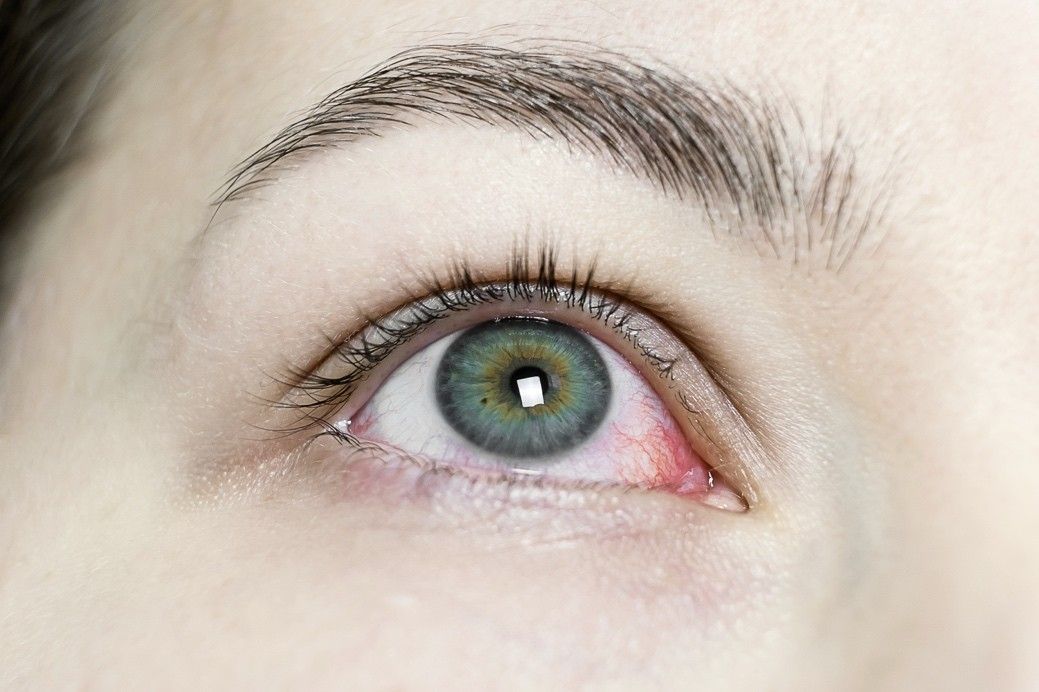
Red, irritated eyes are frequently seen, but not all cases of “pink eye” are the same. Allergic, viral, and bacterial conjunctivitides share...
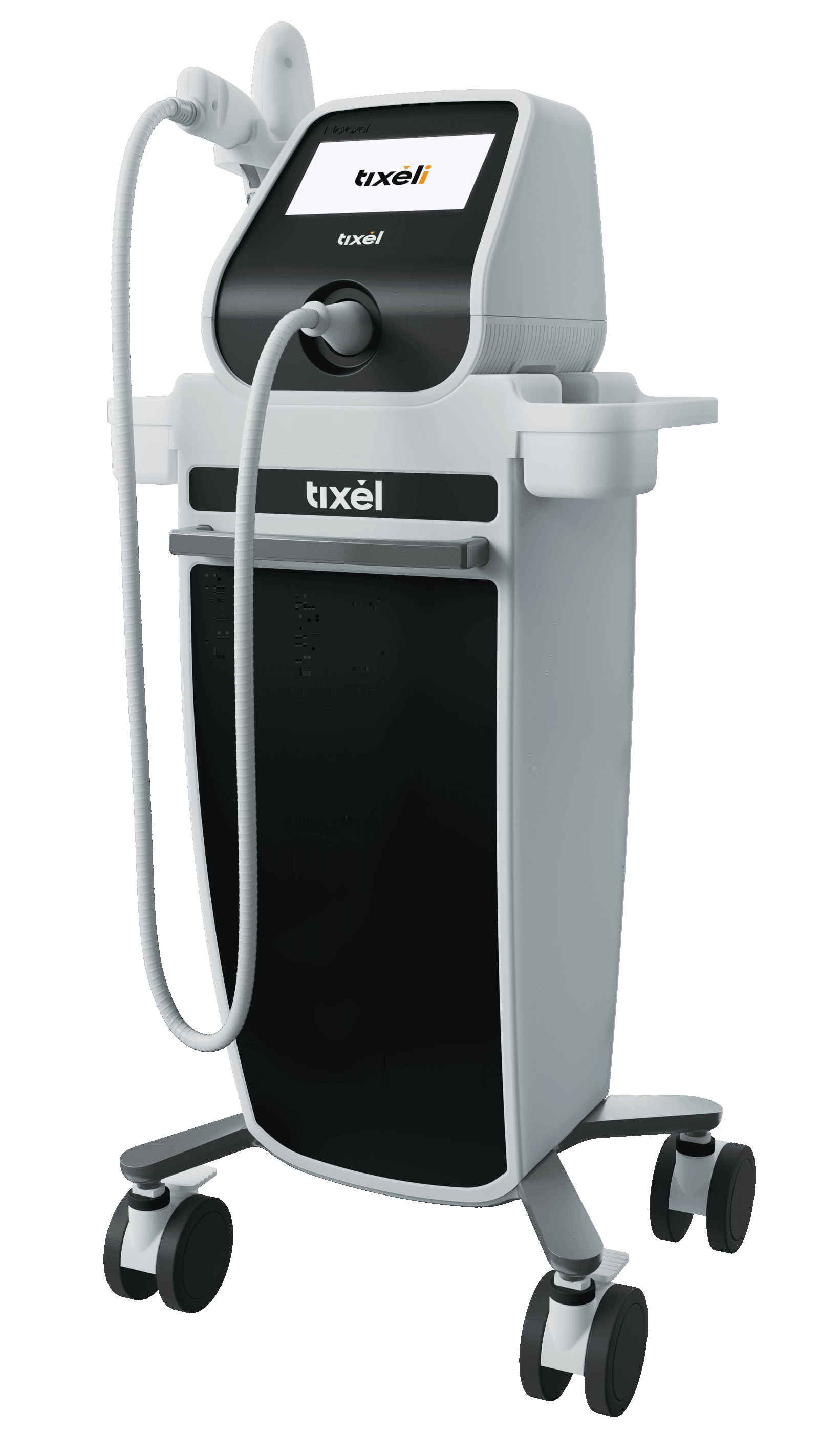
Discover Lasting Relief for Dry Eye with Tixel Vision
By Bob Berendsen March 19, 2026
Dry eye can be a minor annoyance or a daily struggle, leaving eyes dry, irritated, and uncomfortable. For those with chronic dry eye or...
Botox and Juvaderm, and LASIK or PRK | South Shore
By Bob Berendsen December 12, 2025
Let’s take a closer look at what these treatments are, how they work, and what makes them so popular among patients looking for noticeable, lasting results.
The Future of Clear Vision | South Shore
By Bob Berendsen November 17, 2025
At South Shore Eye Care, we’re proud to offer laser-assisted cataract surgery and the latest premium lens implants.
Smoking Can Put Your Eye Health at Risk | South Shore Eye Care, LLP
By Bob Berendsen October 10, 2025
When people think about the dangers of smoking, many fail to realize the effect of smoking on their eyesight.
Guide to Contact Lenses | South Shore Eye Care
By Bob Berendsen September 1, 2025
Millions of people choose contacts for a variety of reasons, whether it’s for convenience, lifestyle, sports, or just personal preference.
Summer Vision Checklist Should Start With a Free LVC Consultation | South Shore Eye Care
By Bob Berendsen August 8, 2025
Sunlight, reflective surfaces, and prolonged exposure to UV radiation can gradually damage your eyes without noticeable symptoms at first.
LASIK Blog | South Shore Eye Care, LLP
By Bob Berendsen July 22, 2025
Laser vision correction, commonly known as LASIK, has helped millions of people achieve clearer vision and more visual freedom.
More Posts