Why Is Going to Eye Exams Important?
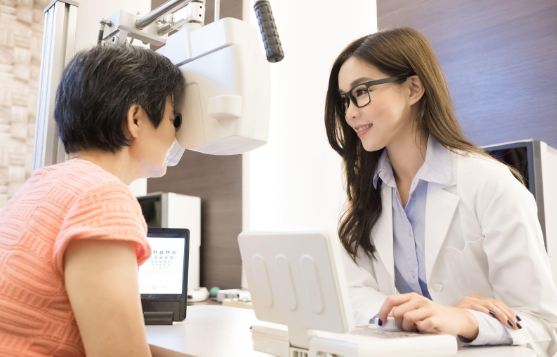
Have you had your eyes checked recently? If it has been a while since your last eye exam, you might want to reconsider putting it off any longer. Eye exams are much more than just updating your prescription for glasses or contact lenses, despite what many people believe. They also check your ability to see road signs and read menu fine print.
Here’s why making those regular visits to your eye doctor is so important.
Eye Exams Catch Changes in Vision Early
Your vision changes gradually over time, often so slowly that you may not even notice it. During an eye exam, your optometrist evaluates how well you see both up close and at a distance. They check for nearsightedness, farsightedness, astigmatism, and other refractive errors that may affect your quality of life.
Even minor changes in your prescription can make a significant difference in how clearly you see the world. Failing to update your prescription could lead to symptoms like eye strain, headaches, and fatigue, especially if you spend long hours in front of a screen.
Eye Exams Let You Monitor Your Eye Health
Vision clarity is one piece of the overall puzzle; eye exams help by also assessing the overall health of your eyes. Your optometrist examines the structures of your eyes, including the cornea, retina, and optic nerve, to identify any abnormalities or signs of disease. Conditions like glaucoma, macular degeneration, and cataracts can develop silently, meaning you might not experience symptoms until the condition has advanced. By catching these issues early through regular eye exams, your eye doctor can recommend treatments that preserve your vision and slow disease progression.
Eye Exams Can Reveal Underlying Health Conditions
Did you know that your eyes can provide clues about your overall health? The blood vessels in your eyes are closely connected to your circulatory system, which means certain health conditions can show up during an eye exam. Diseases like diabetes, high blood pressure, and high cholesterol often have early warning signs that are visible in the eyes.
For example, diabetic retinopathy is a complication of diabetes that affects the blood vessels in the retina. This condition can cause vision loss if left untreated, but it can often be detected during a routine eye exam before you notice any changes in your vision. Similarly, signs of high blood pressure might appear as changes in the blood vessels in your retina, alerting your doctor to potential cardiovascular risks.
Children Benefit Immensely from Regular Eye Exams
Eye exams are not just for adults. Children need them too, even if they don’t complain about vision problems. Many vision issues that develop in childhood can impact a child’s ability to learn and succeed in school. Conditions like lazy eye (amblyopia) or crossed eyes (strabismus) are easier to treat when detected early.
Routine eye exams also make sure that kids with refractive errors, such as nearsightedness or farsightedness, get the corrective lenses they need to perform well in their academic and extracurricular activities. Without clear vision, children may struggle to read the whiteboard, follow along in books, or focus on classroom tasks, which can lead to frustration and setbacks.
Digital Eye Strain and Modern Lifestyle Factors
Nowadays, many of us spend hours staring at screens, whether for work, school, or entertainment. This prolonged screen time can lead to digital eye strain, which includes symptoms like dry eyes, blurred vision, and neck or shoulder pain. Regular eye exams help identify the strain that screens may be putting on your eyes and allow your doctor to recommend solutions.
Your optometrist might suggest special blue-light-blocking lenses or tips for taking breaks to reduce the strain. They can also check for underlying conditions, such as dry eye syndrome, that might be exacerbated by long periods of screen use.
Protecting Your Vision as You Age
As you get older, your risk for certain eye conditions increases. Presbyopia, which is the gradual loss of the ability to focus on close objects, is a common age-related change that usually begins in your 40s. Cataracts and macular degeneration also become more prevalent as you age.
Regular eye exams keep these changes closely monitored and appropriately managed. Early detection can mean the difference between maintaining your independence and struggling with vision loss. Your eye doctor may also provide guidance on lifestyle changes or protective measures, such as wearing sunglasses and eating a diet rich in eye-healthy nutrients, to support your vision as you age.
Contact Lens Wearers Need Specialized Care
If you wear contact lenses, eye exams are especially important. Contacts sit directly on the surface of your eyes, which means improper use or poorly fitting lenses can lead to complications like infections or corneal damage. During an exam, your optometrist can check that your lenses fit correctly and assess the health of your corneas.
They can also provide recommendations for safe contact lens practices and suggest alternative options, such as daily disposables if your eyes are showing signs of irritation. Regular check-ups help keep wearing your contacts a comfortable and safe experience.
Prevention Is Always Better Than Cure
One of the best reasons to go for regular eye exams is that they serve as a form of preventive care. Even if you think your eyes are fine, there may be issues developing that only a trained professional can spot. Addressing problems early often leads to simpler and more effective treatments.
For example, managing dry eyes with artificial tears or prescription drops early on is much easier than dealing with chronic discomfort. Identifying the early signs of macular degeneration also allows for interventions that could preserve your central vision.
If you need a comprehensive eye exam, our team at
South Shore Eye Care can help.
Contact us today to schedule your next eye exam and make sure that your vision and eye health are in the best possible shape.